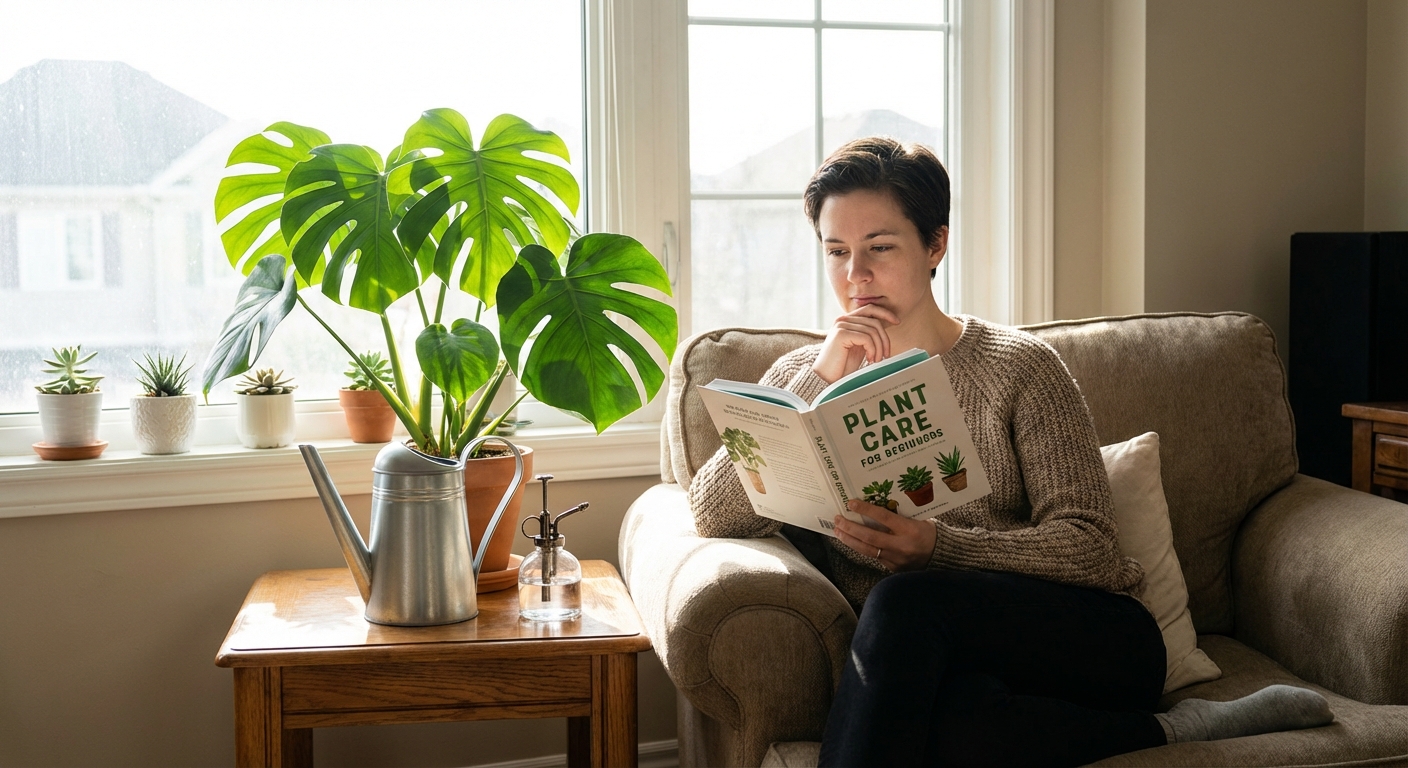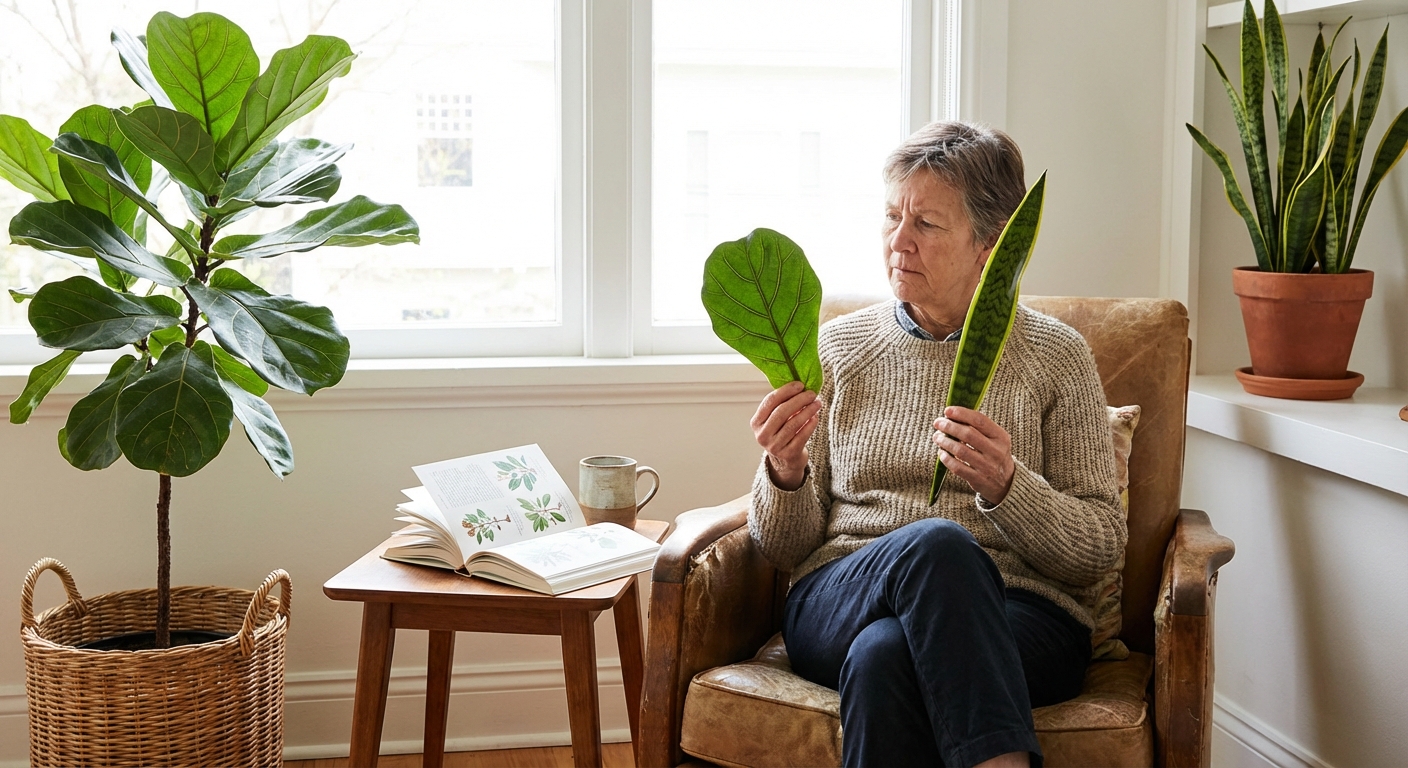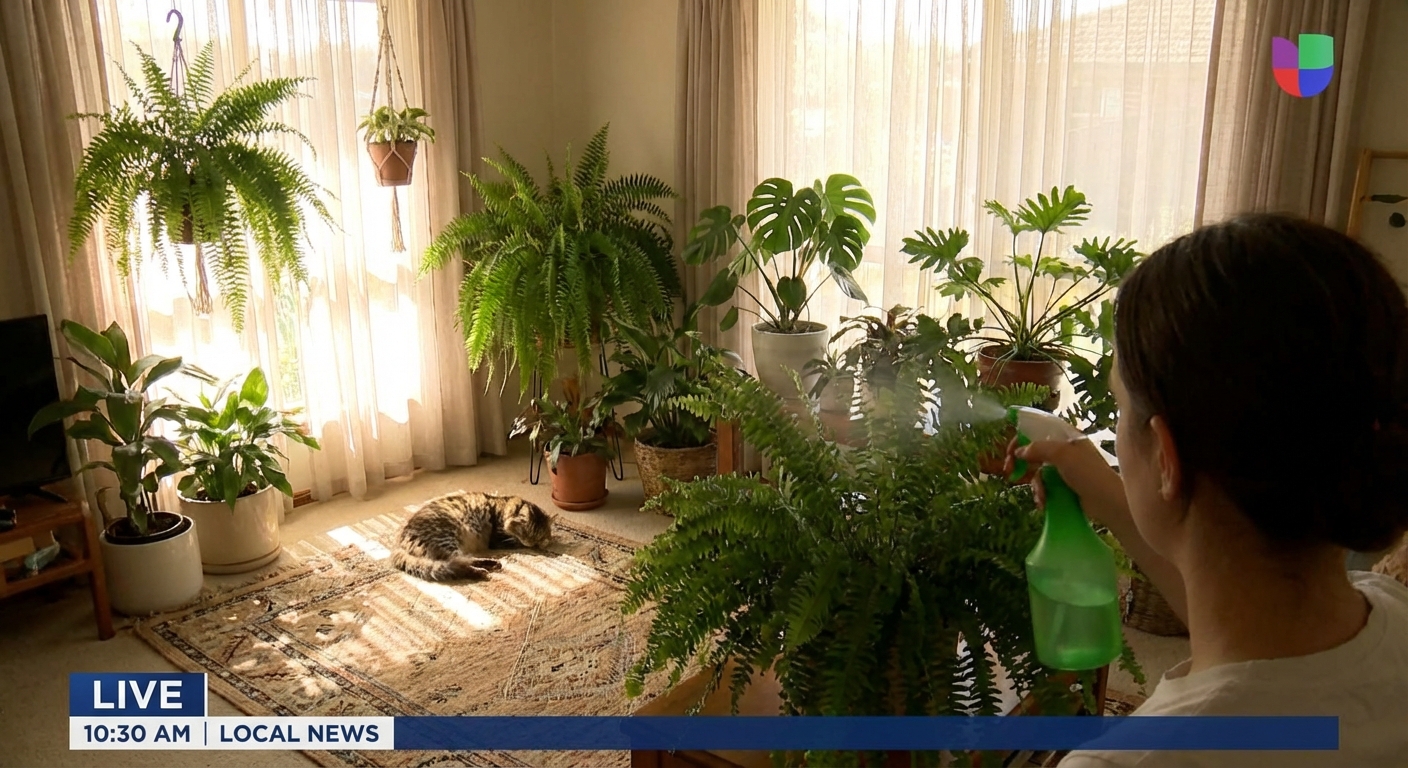
Houseplants do more than decorate a room; they soften hard edges, purify air, and invite a quieter rhythm into daily life. Caring for them is less about strict rules and more about paying kind attention over time.
Welcoming Green Companions into Your Home
This guide offers a calm, steady roadmap to houseplant care, with species-specific notes, seasonal suggestions, and compassionate troubleshooting for when things don’t go as planned.
Understanding Your Plant’s Story
Every plant on your shelf has a history. Before it reached your windowsill, it evolved in a very specific environment. When we understand that original habitat, care becomes intuitive.
Light
Think of light as food. Without enough, your plant slowly runs out of energy.
- Bright, direct light: Like full sun near a south-facing window. Great for succulents and cacti.
- Bright, indirect light: Strong daylight softened by sheer curtains or distance from a window. Ideal for many tropicals.
- Low light: A few feet away from windows, or east/north windows. Adequate for some foliage plants, but not for all.
Water
Most issues come from either too much water or not enough. Roots need both moisture and oxygen. Constantly wet soil suffocates them; bone-dry soil for extended periods dehydrates them.
Humidity & Temperature
Many popular houseplants are tropical understory species that enjoy:
- Temps between 65–80°F (18–27°C)
- Humidity in the 40–60% range (or higher for more delicate species)
Your home may be drier than their native forests, especially in winter, but small adjustments can help.
Species-Specific Notes for Common Favorites
1. Monstera deliciosa (Swiss Cheese Plant)
Light: Bright, indirect light. A bit of gentle morning sun is fine; harsh afternoon sun can scorch leaves.
Water: Water when the top 1–2 inches of soil are dry. In warm months, this may be weekly; in winter, every 10–14 days.
Humidity: Medium to high. Aim for at least 40%. Grouping plants together or using a humidity tray helps.
Care note: Young Monsteras may not have fenestrations (holes) yet—that’s normal. As the plant matures and receives sufficient light, its leaves usually develop the iconic splits.
2. Ficus elastica (Rubber Plant)
Light: Bright, indirect light is best; can tolerate some gentle direct sun. In lower light, growth slows and leaves may be smaller.
Water: Let the top 2 inches of soil dry before watering. Overwatering can cause lower leaves to yellow and drop.
Humidity: Average home humidity is usually fine.
Care note: Rubber plants dislike abrupt changes. Try not to move them frequently, and protect them from cold drafts.
3. Pilea peperomioides (Chinese Money Plant)
Light: Bright, indirect light. Too little light = leggy stems; too much direct sun = pale, scorched leaves.
Water: Water when the top inch is dry. Pileas prefer evenly moist but never soggy soil.
Humidity: Average to slightly higher than average is ideal.
Care note: Rotate the pot weekly for even growth; Pilea will lean toward the light.
4. Sansevieria (Snake Plant)
Light: Adaptable. Thrives in bright light but tolerates low light better than many plants.
Water: In bright light, let soil dry nearly completely between waterings. In low light, water sparingly—sometimes only every 3–4 weeks.
Humidity: Not fussy; does well in average or even dry air.
Care note: This plant is particularly sensitive to overwatering. If in doubt, wait a few extra days.
A Gentle Watering Routine
Perfect watering is less about a calendar and more about observation.
- Check the soil: Use your finger to test moisture 1–2 inches down.
- Water deeply: When you water, do so until excess drains from the bottom of the pot.
- Empty saucers: After 15–20 minutes, pour away any standing water.
- Listen to your plant: Drooping, yellowing, or crisp leaves are all quiet signals.
Common Watering Mistakes
- Watering on a strict schedule regardless of conditions.
- Using pots without drainage holes. These trap excess water and encourage root rot.
- Sips of water too often instead of thorough soakings, which can leave lower roots dry.
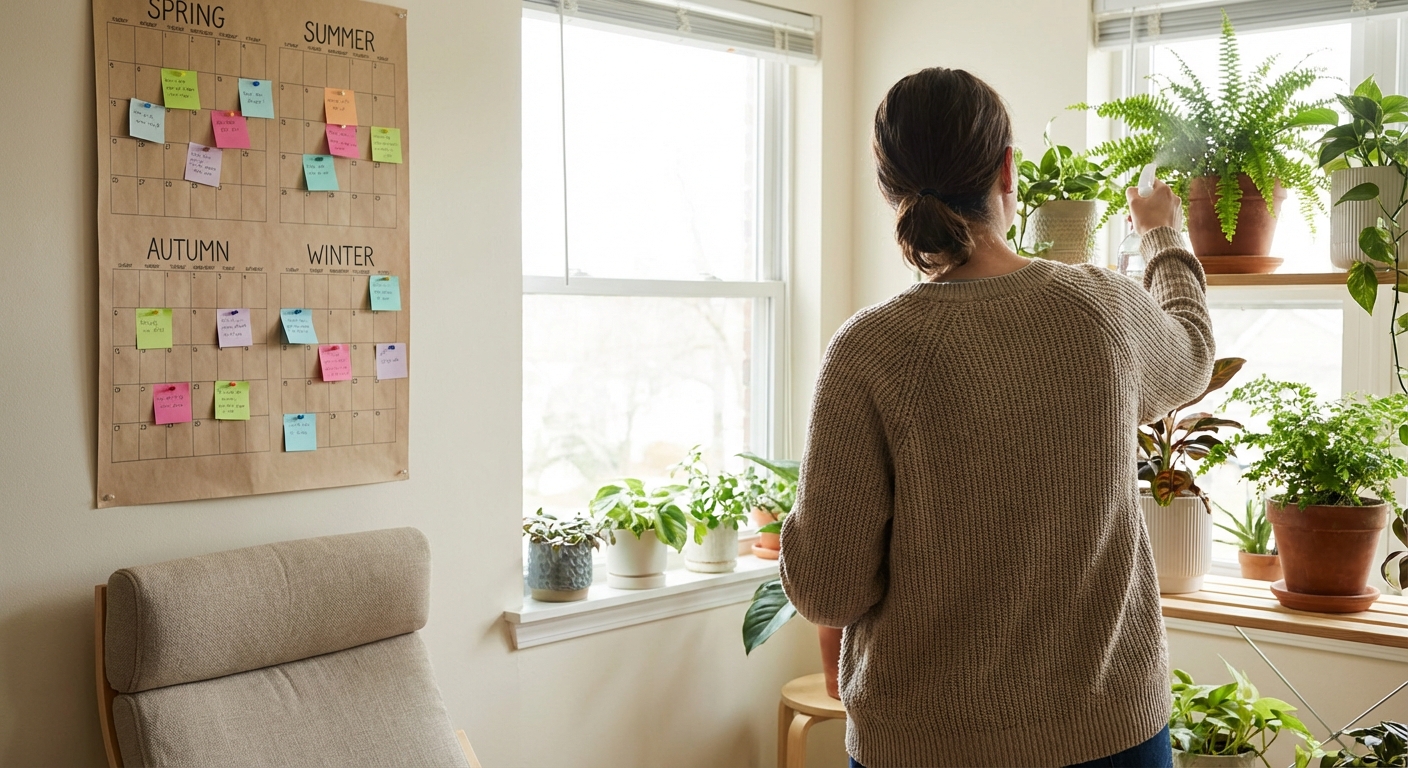
Seasonal Houseplant Care Rhythms
Your plants respond to seasonal shifts, even indoors.
Spring: The Gentle Wake-Up
- Repot or refresh the top layer of soil if roots are circling or emerging from drainage holes.
- Resume feeding with a balanced, diluted fertilizer every 4–6 weeks.
- Increase water slightly as days lengthen and growth speeds up.
Summer: Abundant Growth
- Monitor light: Intensified sun can scorch leaves near windows.
- Water more frequently in warmer rooms.
- Boost humidity if air conditioning is drying your space.
Autumn: Slowing Down
- Ease up on fertilizer. Many plants begin to rest.
- Observe watering needs as growth slows; you may need less frequent water.
- Check for drafts as you open and close windows more often.
Winter: Rest and Protection
- Move plants slightly closer to windows for more light, but avoid cold air leaks.
- Increase humidity by grouping plants or using a small humidifier.
- Reduce watering frequency; soil will dry more slowly in cooler rooms.
Gentle Troubleshooting: Reading Leaf Messages
Yellow Leaves
Possible causes:
- Overwatering: Yellow, soft, or mushy leaves; soil staying wet for days.
- Underwatering: Yellow and crispy leaves; soil pulling away from pot edges.
Carefully check the soil and adjust your routine. Trim away worst-affected leaves so the plant can focus on new growth.
Brown Tips or Edges
Common reasons:
- Low humidity for tropicals like Calathea or Peace Lily.
- Fertilizer buildup in soil.
Try:
- Increasing humidity near the plant.
- Flushing the soil: slowly pour room-temperature water through the pot for several minutes to wash away salts, then drain well.
Leggy, Stretched Growth
Stems reach and leaves space out when light is too low.
Supportive steps:
- Move the plant to a brighter spot with indirect light.
- Rotate the pot weekly.
- Gently prune back overly leggy stems to encourage fuller growth.
Creating a Calm Care Ritual
Instead of rushing, let plant care be a pause in your day.
- Weekly check-in: Walk through your home, notice new leaves or changes in color.
- Soft cleaning: Wipe dusty leaves with a damp, soft cloth so they can breathe and photosynthesize more easily.
- Quiet observation: Take a moment to simply look at your plants. Over time, you’ll learn their patterns and preferences.
Houseplant care is not about perfection. Leaves will yellow, blooms will fade, and some plants will challenge you more than others. That’s part of the journey. With patience, kind attention, and a willingness to adjust, your indoor garden can become a living reflection of slow, steady growth—yours and theirs.
Key Takeaway
The most important thing to remember from this article is that this information can change how you think about Houseplant Care.