Indoor plants may live inside our homes, but they still follow the rhythm of the seasons. Light shifts, temperature changes, and humidity swings all influence how roots grow and how soil behaves.
Working With the Seasons Instead of Against Them
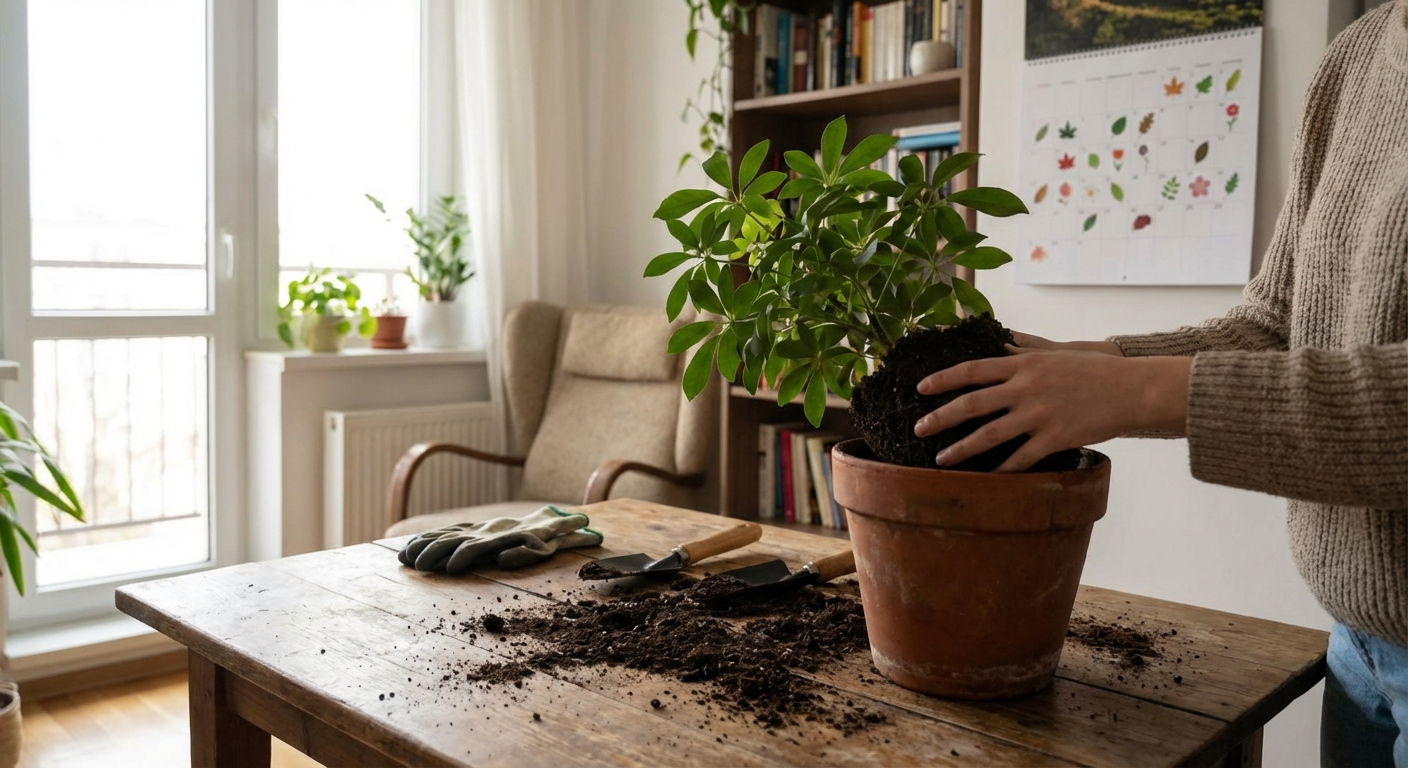
This guide offers a calm, seasonal approach to repotting and soil care—helping you decide what to do, and when to do it, so your plants feel supported rather than rushed.
Spring: The Season of Renewal
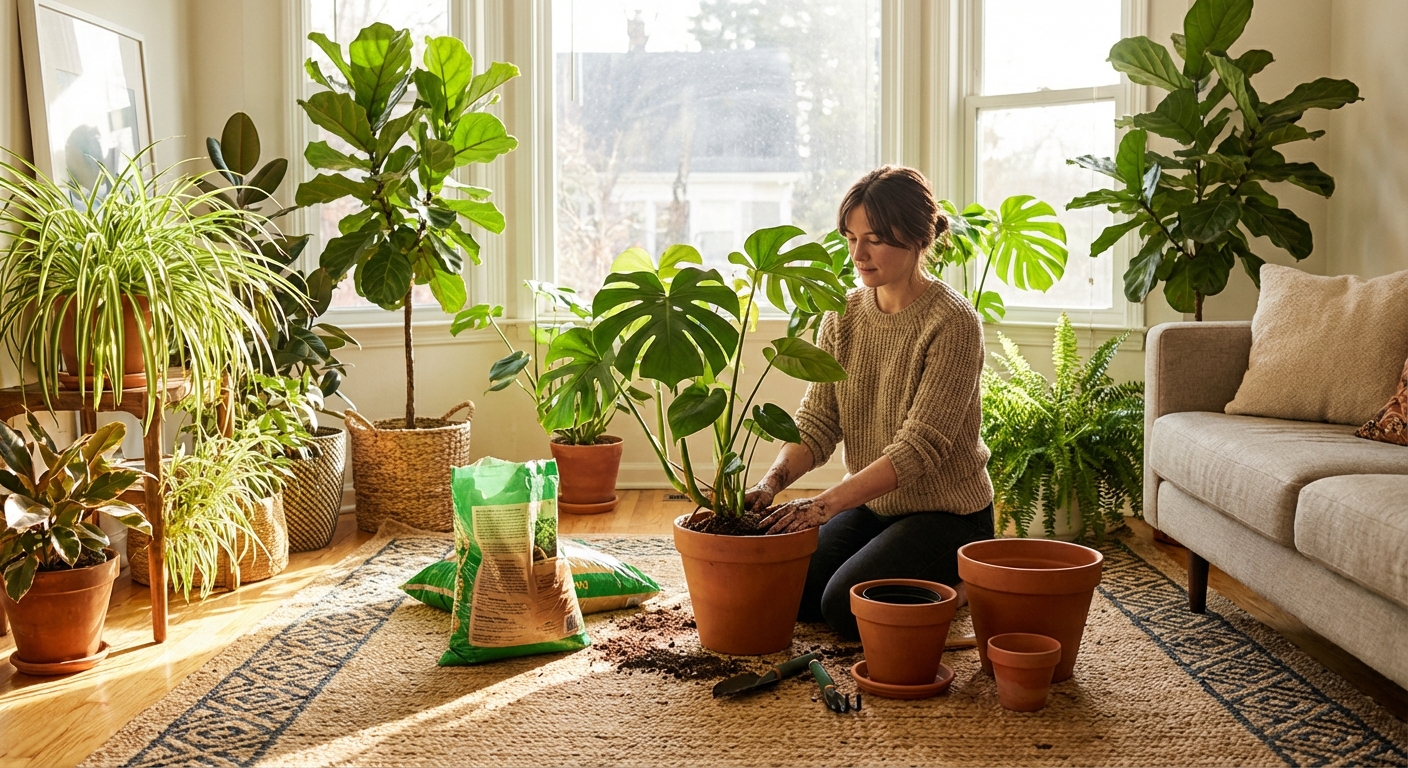
Spring is the gentlest and most forgiving time to repot. As days lengthen and light becomes more generous, plants turn energy toward new roots and fresh leaves.
Ideal Spring Repotting Tasks
Routine Pot Upgrades
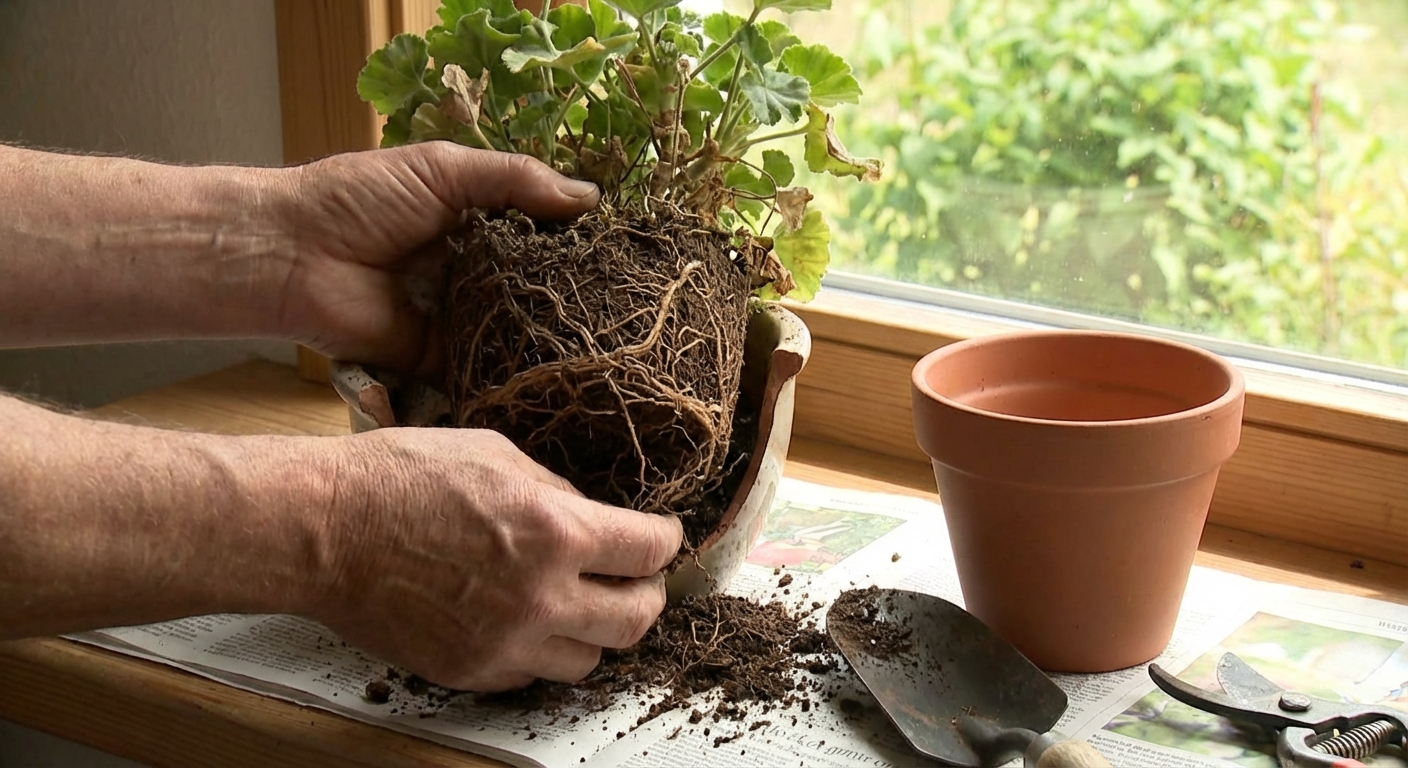
Move plants that are clearly root‑bound into a slightly larger pot.
Soil Refreshing
For bigger plants you don’t want to disturb fully, remove the top 2–3 cm (1 inch) of soil and replace with a fresh, nutrient‑rich mix.
Re‑balancing Mixes
If a plant struggled over winter (staying soggy or drying too fast), adjust its mix: - Add perlite or bark if it stayed too wet - Add coco coir or compost if it dried out too quickly
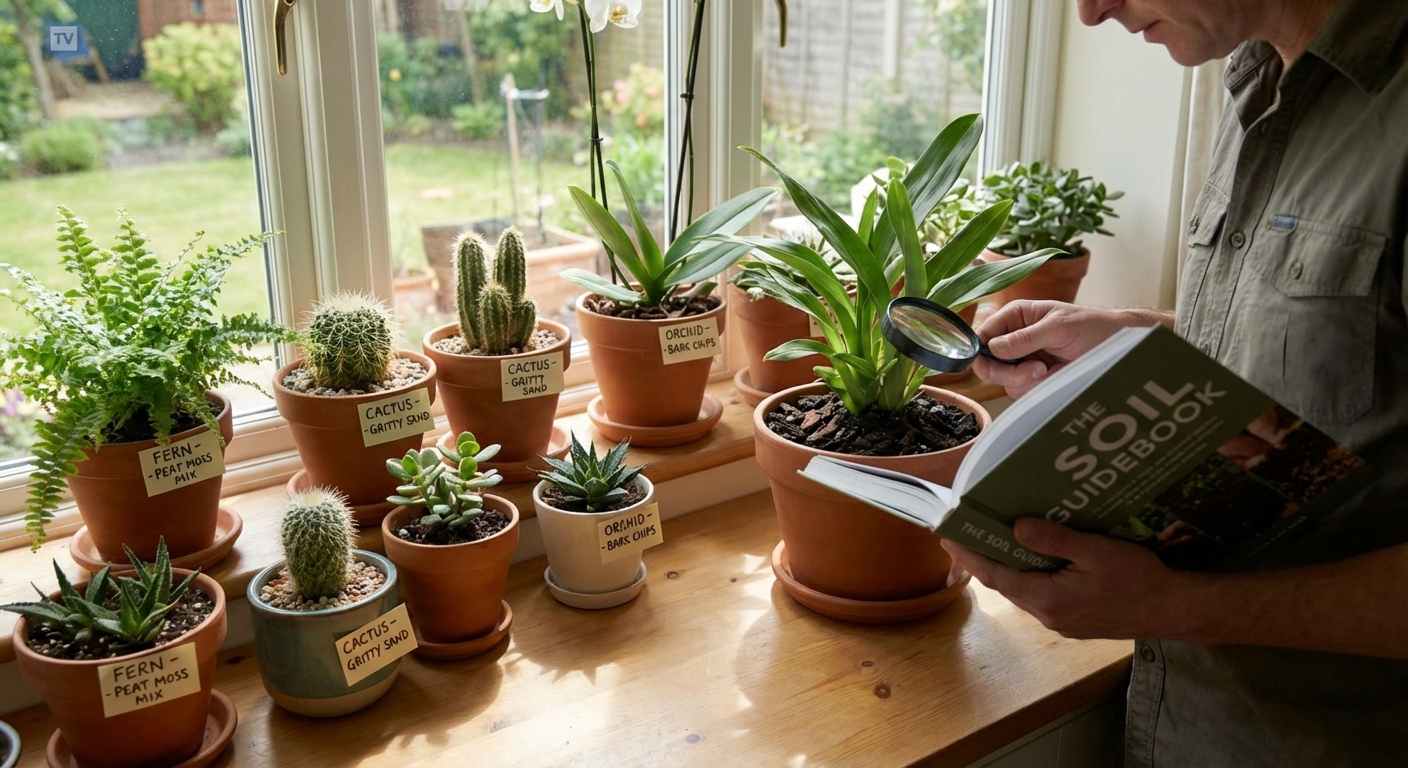
Spring Soil Tips by Plant Type
- Philodendron & Pothos: Give them an airy aroid mix and consider adding a pinch of slow‑release fertilizer.
- Calatheas & Prayer Plants: Refresh with a moisture‑retentive mix and check drainage—no standing water in saucers.
- Ferns: Top‑dress with compost or worm castings and gently loosen compacted surface soil.
Spring is also a perfect time to upgrade support structures (moss poles, stakes) while you repot, so roots grow into them naturally.
Summer: Support Growth Without Overwhelming Roots
Summer often brings faster growth, but also more intense heat and the possibility of stress. Repotting is still possible, but a lighter touch is helpful.
What to Prioritize in Summer
Urgent Repots Only
- Severely root‑bound plants that dry out daily - Plants with clear root issues (rot, foul smells, black mushy roots)
Moisture Management
Heat speeds evaporation. Check soil more often and adjust watering with your finger or a moisture meter, not by the calendar.
Gentle Root Disturbance
If you must repot, keep the rootball as intact as possible. Aim for minimal teasing unless you’re treating a specific problem.
Summer Soil Considerations
- If your home is very hot and dry, slightly more moisture‑holding ingredients (like coco coir) can help.
- If your home is humid and warm, prioritize airiness and drainage:
- Increase the proportion of perlite or pumice
- Consider switching heavy plastic pots to terracotta for certain species
Species Notes for Summer
- Hoya: Prefer slightly snug pots; only repot if truly root‑bound. They like a chunky, orchid‑bark‑rich mix and strong drainage.
- Fiddle Leaf Fig: Sensitive in peak heat. If repotting is necessary, keep it away from drafts, AC vents, and intense direct light while it recovers.
- Succulents & Cacti: Can be repotted in summer if accompanied by excellent drainage and careful watering. Let soil dry thoroughly between waterings.
Autumn: Gentle Adjustments and Preparation
As light softens and days shorten, plants begin to slow. Autumn is a time for small course corrections rather than big changes.
Autumn To‑Dos
Top‑Dressing and Minor Tweaks
- Refresh the top layer of soil with a light mix of compost and fresh potting medium. - Remove salt or mineral buildup from the soil surface.
Checking Pot Fit
Notice which plants are likely to need repotting next spring. You can: - Loosen soil gently around the edge - Slip the plant out quickly to peek at root density (then return it to the same pot)
Fertilizer Wind‑Down
As growth slows, gradually reduce or pause fertilization. Rich soil in combination with lower light can stress roots.
Autumn Soil Signals to Watch
- Soil staying wet longer than it did in summer: cooler temperatures = slower evaporation.
- Minor yellowing on older leaves as plants naturally slow, not necessarily a crisis.
At this point, instead of immediately repotting, respond with watering changes: allow more drying between waterings and ensure no water sits in saucers.
Winter: Stillness, Patience, and Emergencies Only
Winter brings reduced light and often drier indoor air from heating systems. Repotting now asks plants to work harder when they naturally want to rest.
When to Avoid Repotting
If your plant is:
- Stable, even if a bit root‑bound
- Not showing signs of severe distress
- Simply growing more slowly with slightly droopier foliage
…then waiting is kinder. Save major repots for spring.
Winter Exceptions: When You Must Repot
- Advanced root rot (sour smell, black mushy roots, collapsing stems)
- Severe pest infestations in the soil, like fungus gnats with obvious larvae
- Soil that refuses to absorb water because it has become too hydrophobic
- Bright, indirect light
- Steady temperature
- Shield from drafts and vents
In these cases, move slowly and provide a calm recovery environment:
Soil Choices for Winter Emergencies
Aim for mixes that dry predictably:
- Increase aeration (perlite, bark) for most species.
- Avoid very dense, water‑heavy blends.
- Water sparingly until you see new growth.
Common Seasonal Mistakes (And Softer Alternatives)
1. Over‑Correcting After Winter
Mistake: Repotting every struggling plant the moment spring arrives.
Gentler Approach: First adjust light, watering, and humidity. Only repot those with clear root issues or long‑term crowding.
2. Summer Over‑Potting
Mistake: Jumping several pot sizes for fast‑growing plants.
Gentler Approach: One pot size at a time. Combine with a slightly richer mix and regular feeding during growth.
3. Autumn Fertilizer Surges
Mistake: Trying to “boost” plants going into winter with heavy feeding and fresh soil.
Gentler Approach: Accept slower growth and offer stability instead of stimulation.
A Simple Seasonal Soil Checklist
Use this quick list as a calm, recurring check‑in with your plants.
Spring
- [ ] Check for roots circling or escaping drainage holes
- [ ] Plan and perform repots for fast growers
- [ ] Adjust mixes that stayed too wet or too dry in winter
Summer
- [ ] Watch watering frequency; adjust to heat
- [ ] Improve drainage if any plant wilts in wet soil
- [ ] Repot only when truly necessary
Autumn
- [ ] Top‑dress large pots with fresh soil
- [ ] Remove mineral crusts on soil surfaces
- [ ] Note which plants will need spring repots
Winter
- [ ] Focus on light and humidity, not repotting
- [ ] Keep soil on the drier side for most species
- [ ] Repot only to treat severe rot, pests, or hydrophobic soil
Species Snapshots Across the Seasons
Monstera deliciosa
- Spring: Ideal time for repotting into a chunky mix and adding a moss pole.
- Summer: Maintain moisture without waterlogging; adjust mix if it stays soggy.
- Autumn: Light top‑dress, reduce feeding.
- Winter: Hold off on repotting; just monitor for rot.
Calathea
- Spring: Refresh soil with a gentle, moisture‑holding mix; consider a slightly wider pot.
- Summer: Maintain humidity, ensure soil never fully dries.
- Autumn: Light soil refresh only.
- Winter: Avoid root disturbance; watch for crispy edges due to dry air rather than soil problems.
Snake Plant
- Spring: If pot is cracked or roots are forcing their way out, repot into a snug, well‑draining mix.
- Summer: Water deeply but infrequently; ensure soil is gritty and fast‑draining.
- Autumn/Winter: No need to repot; allow long dry periods between waterings.
Letting Time Be a Gardener Too
Seasonal awareness invites you to share the work of plant care with nature’s own timing. Instead of reacting from worry, you can respond from observation—trusting that there are moments for action and moments for rest.
As you tune into how your plants and soil behave through the year, repotting becomes less of an emergency fix and more of a gentle, well‑timed gift—a way of saying, "I see how you’re growing, and I’ll make space for you."
Key Takeaway
The most important thing to remember from this article is that this information can change how you think about Repotting & Soil.