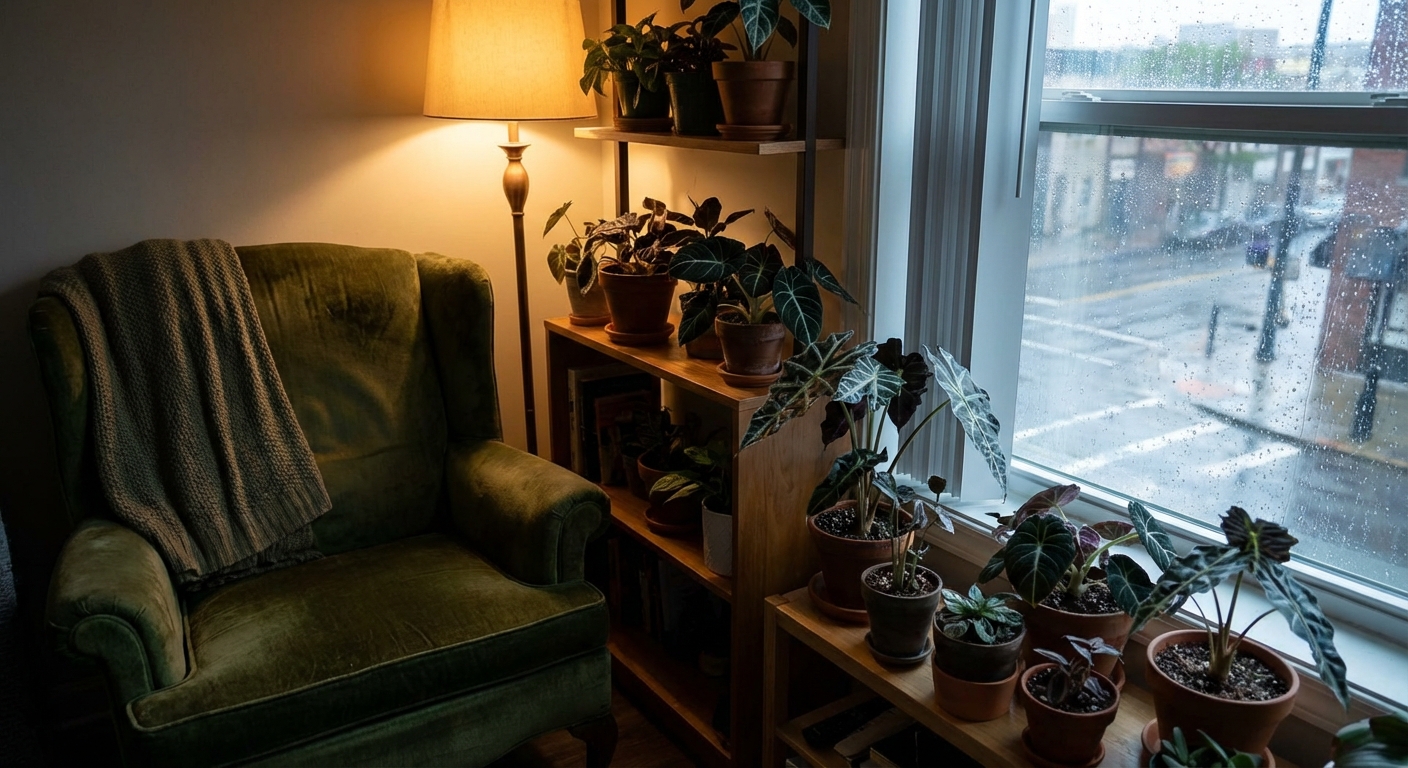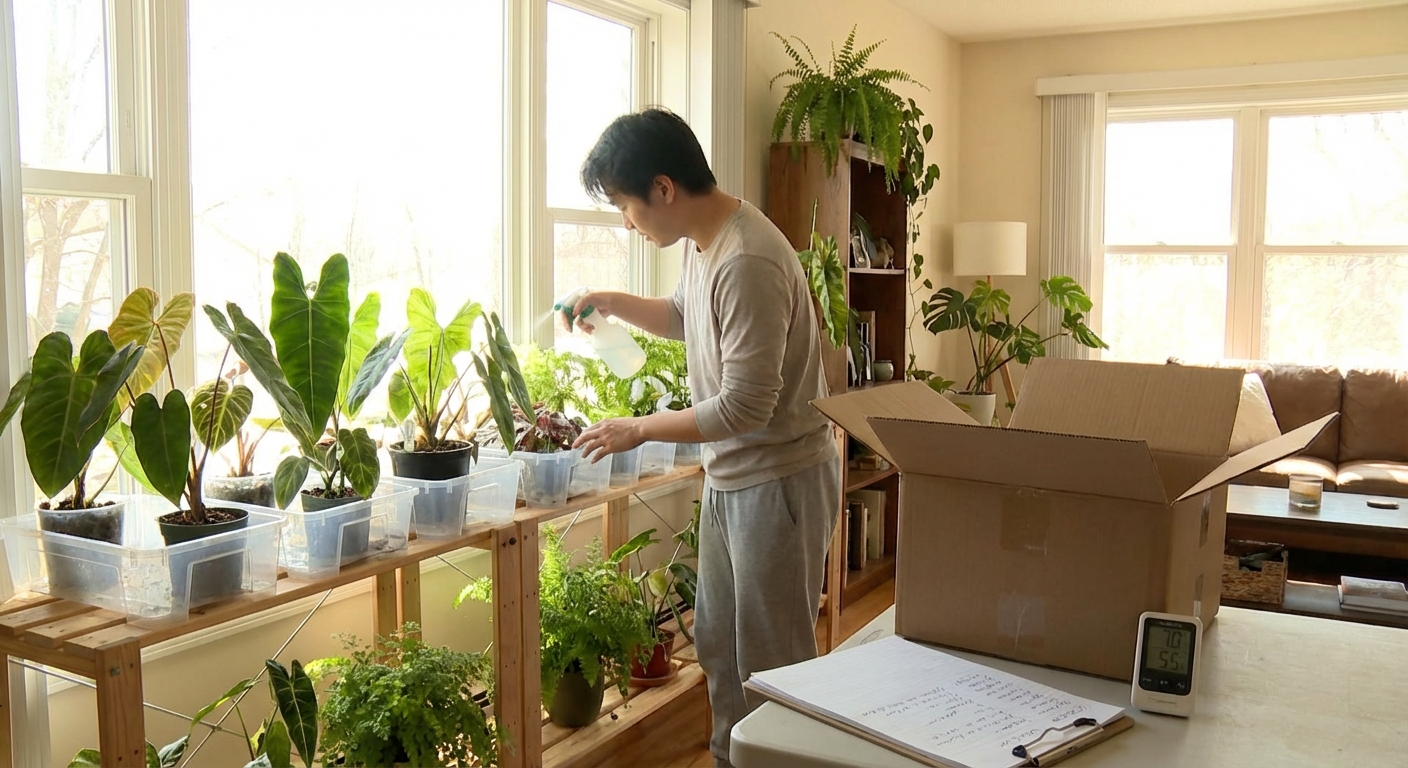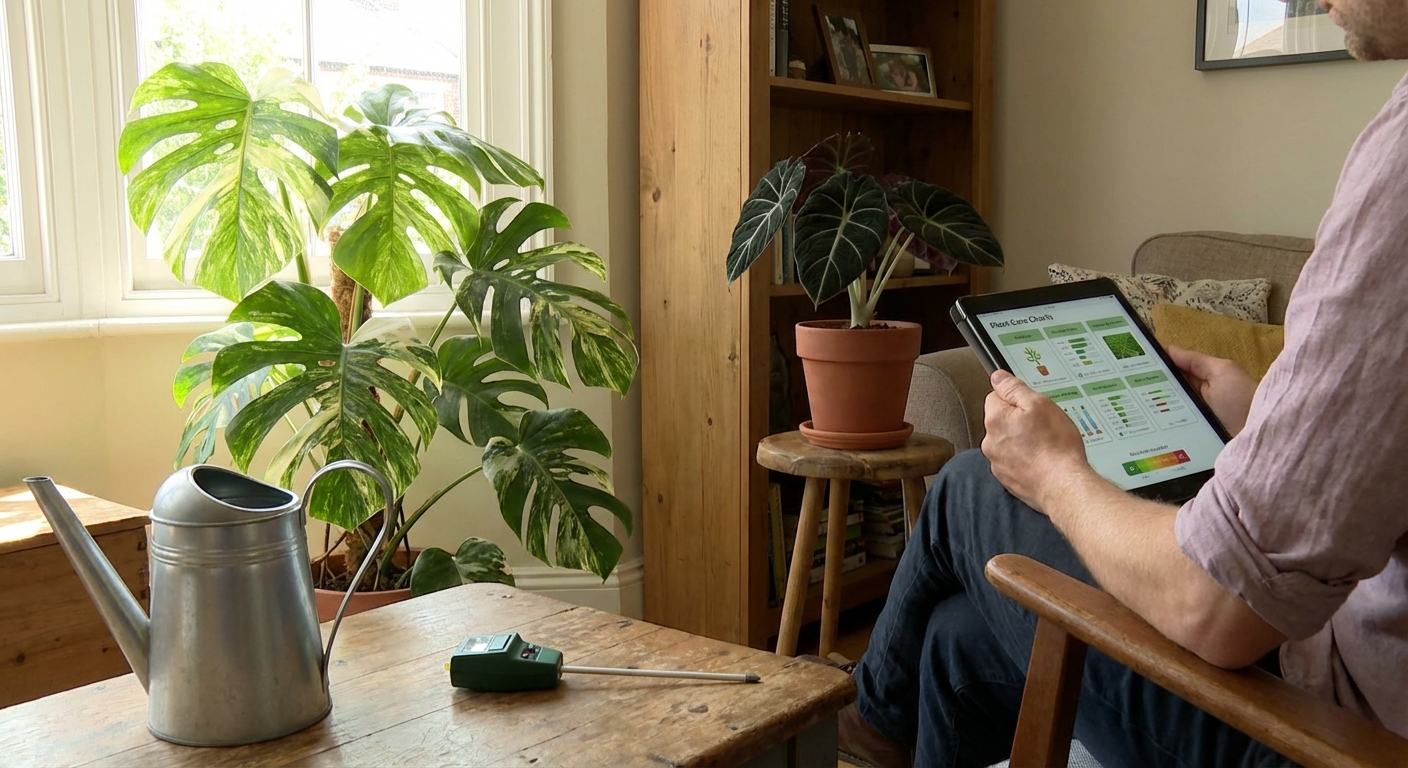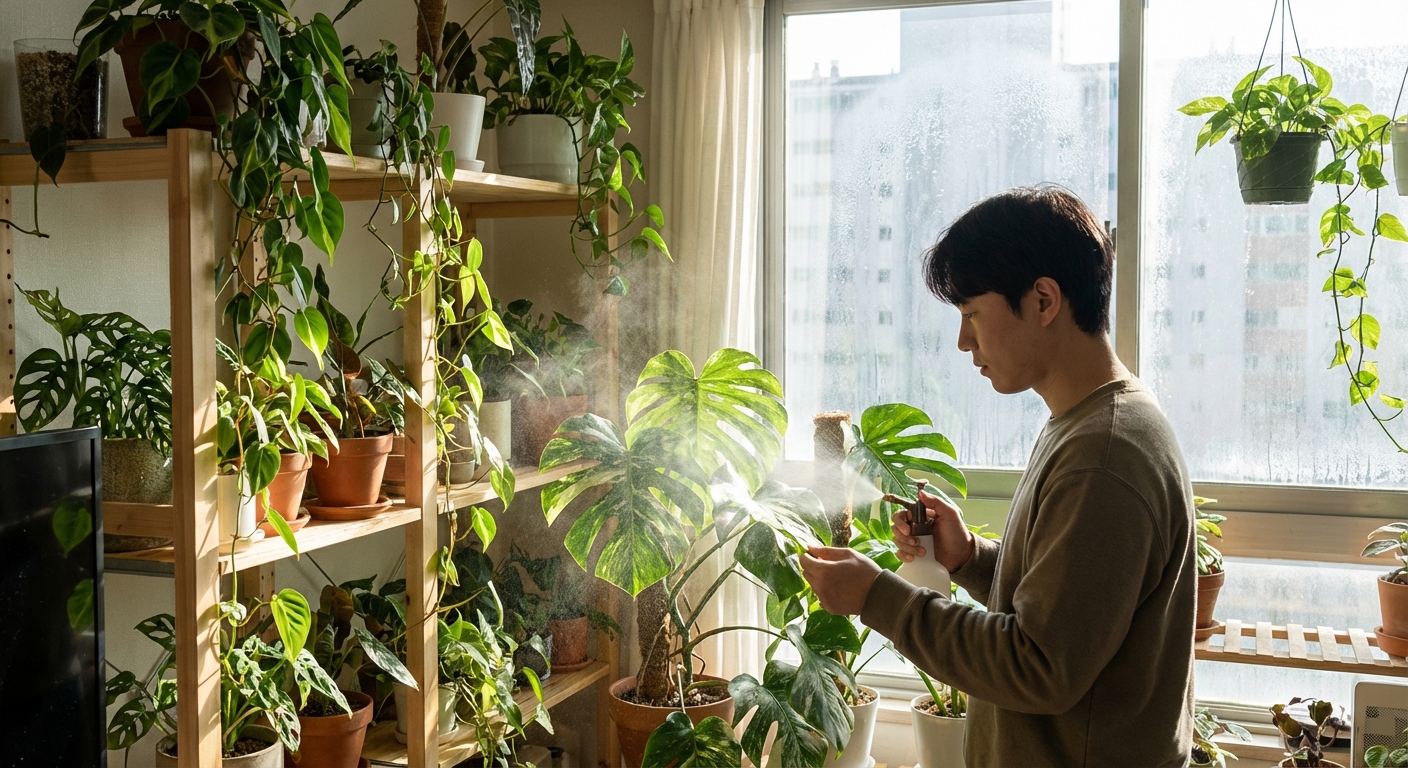
Rare aroids – like Philodendron, Anthurium, and Monstera cultivars – have quietly moved from collectors’ greenhouses into cozy living rooms and apartment shelves. Their velvety leaves, intricate variegation, and unusual textures can feel almost otherworldly.
Welcoming Rare Aroids into Your Home
If you’ve ever felt intimidated by names like Philodendron spiritus-sancti, Anthurium warocqueanum, or Monstera albo, this guide is here to soften that feeling. Rare aroids are not mystical; they are living beings with understandable needs. With the right care rhythm, they can thrive in an ordinary home.
Let’s explore how to care for them with calm, confidence, and kindness.
Understanding the Needs of Rare Aroids
Most aroids come from tropical forest understories. This gives us three guiding principles:
Bright, gentle light (not direct mid-day sun)
Even moisture with good airflow
Consistent warmth and humidity
If you remember these three, you can usually adjust details with ease.
Light: Dappled Sun for Delicate Leaves
Ideal Light Conditions
Imagine the floor of a warm forest: light filters through high branches. This is the kind of light rare aroids prefer.
- Best placement: 1–3 feet from an east- or north-facing window, or a few feet back from a bright south/west window with a sheer curtain.
- Grow lights: A full-spectrum LED grow light placed 12–18 inches above the canopy works wonderfully. 10–12 hours per day often suits most species.
Species-Specific Notes
- Philodendron melanochrysum – Loves bright, indirect light. Too little light leads to stretched, narrow leaves.
- Anthurium clarinervium – Can tolerate medium light but colors and veining are richer with brighter conditions.
- Monstera deliciosa ‘Albo Variegata’ – Needs brighter light than green Monsteras. White variegation has less chlorophyll, so it needs more light to photosynthesize.
Common mistake: Placing plants directly in hot, midday sun. This often causes pale patches that turn brown and crispy. If you notice this, move the plant slightly away from the window or soften the light with a sheer curtain.
Watering and Soil: Moist, Not Soggy
Rare aroids often fail not from neglect, but from over-love in the form of too much water.
A Gentle Watering Routine
- Let the top 2–4 cm (1–1.5 inches) of soil dry out before watering again.
- Use your finger or a wooden skewer to check moisture below the surface.
- Water thoroughly until it flows from the drainage holes, then allow excess to drain completely.
Soil Mix for Happy Roots
Aroids prefer an airy, chunky mix that drains well but doesn’t dry out instantly:
- 40% high-quality potting mix
- 30% orchid bark or chunky pine bark
- 20% perlite or pumice
- 10% horticultural charcoal or coco chips
This mix provides air pockets while holding just enough moisture.
Species-Specific Notes
- Anthurium warocqueanum (Queen Anthurium) – Appreciates a very loose, orchid-style mix and hates waterlogged roots.
- Philodendron gloriosum – A creeping species that loves wide, shallow pots with airy soil; keep slightly more moist than climbing philodendrons.
- Monstera adansonii variegata – Prefers a well-draining aroid mix; soggy soil quickly leads to yellow leaves.
Common mistake: Letting rare aroids sit in decorative pots with no drainage. If you love a closed decorative pot, keep the plant in a plastic nursery pot inside it and empty any pooled water after 15–20 minutes.
Humidity and Temperature: Creating a Soft Tropical Cocoon
Comfort Range
- Temperature: 18–27°C (65–80°F)
- Humidity: Aim for 50–70% for most rare aroids
If your home is drier, you still have options:
- Place plants on a pebble tray with water (without submerging the pot).
- Group plants together to create a local microclimate.
- Use a small humidifier in the room, especially in winter.
Species-Specific Notes
- Anthurium crystallinum – Thrives with higher humidity, around 60–80%, to keep leaves smooth and free of crispy edges.
- Philodendron verrucosum – Appreciates warm, humid conditions and good airflow; avoid stagnant, damp corners.
Common mistake: Sealing a plant into a high-humidity container with no airflow. This can invite fungal spots. If using a cabinet or enclosure, add a small fan on the lowest setting.
Seasonal Tips: Adjusting with the Year
Spring and Summer
- Growth usually accelerates.
- This is the safest time to repot and take cuttings.
- Fertilize lightly every 4–6 weeks with a balanced, diluted liquid fertilizer.
Autumn
- Observe your plant; growth may slow as days shorten.
- Gradually reduce fertilizer and check light levels. You may need to move plants closer to windows or increase grow light hours.
Winter
- Indoor air often becomes drier from heating.
- Water less frequently but don’t let plants fully dry out.
- Avoid repotting unless a plant is in distress; roots heal more slowly in low light.
Gentle reminder: There is no fixed schedule. Let the plant and soil guide you rather than the calendar alone.
Troubleshooting with Compassion
Yellow Leaves
Possible causes:
- Overwatering and poor drainage
- Sudden drop in light or temperature
- Check roots gently; trim any mushy, brown roots.
- Refresh the top layer of soil or repot into a chunkier mix.
- Adjust watering to allow the top layer to dry before watering again.
Try this:
Brown, Crispy Edges
Possible causes:
- Low humidity
- Fertilizer build-up
- Increase humidity slightly; add a tray of water nearby or a small humidifier.
- Flush the soil under running water every few months to remove excess salts.
Try this:
Faded Variegation
Most common cause:
- Insufficient light
- Move the plant to brighter, indirect light.
- Consider gentle grow lights if your home is naturally dim.
Try this:
Remember, plants sometimes shed older leaves as a natural process. One or two aging leaves is not a crisis; it’s part of the plant’s quiet rhythm.
Caring for Yourself as You Care for Rare Aroids
Tending to rare plants can stir a mix of delight and anxiety. Will the new leaf emerge perfectly? Is that spot serious? When you notice worry rising, pause and remember: these plants evolved to be resilient.
Try to:
- Celebrate new leaves, no matter how small or imperfect.
- See each issue as a conversation with your plant, not a failure.
- Keep a simple plant journal to track changes in care and growth.
When you care for your rare aroids with patience and curiosity, they slowly reveal their preferences. Over time, your shelf of treasured leaves becomes more than a collection – it becomes a living, growing relationship.
And that, more than rarity itself, is the real magic.
Key Takeaway
The most important thing to remember from this article is that this information can change how you think about Rare Plants.