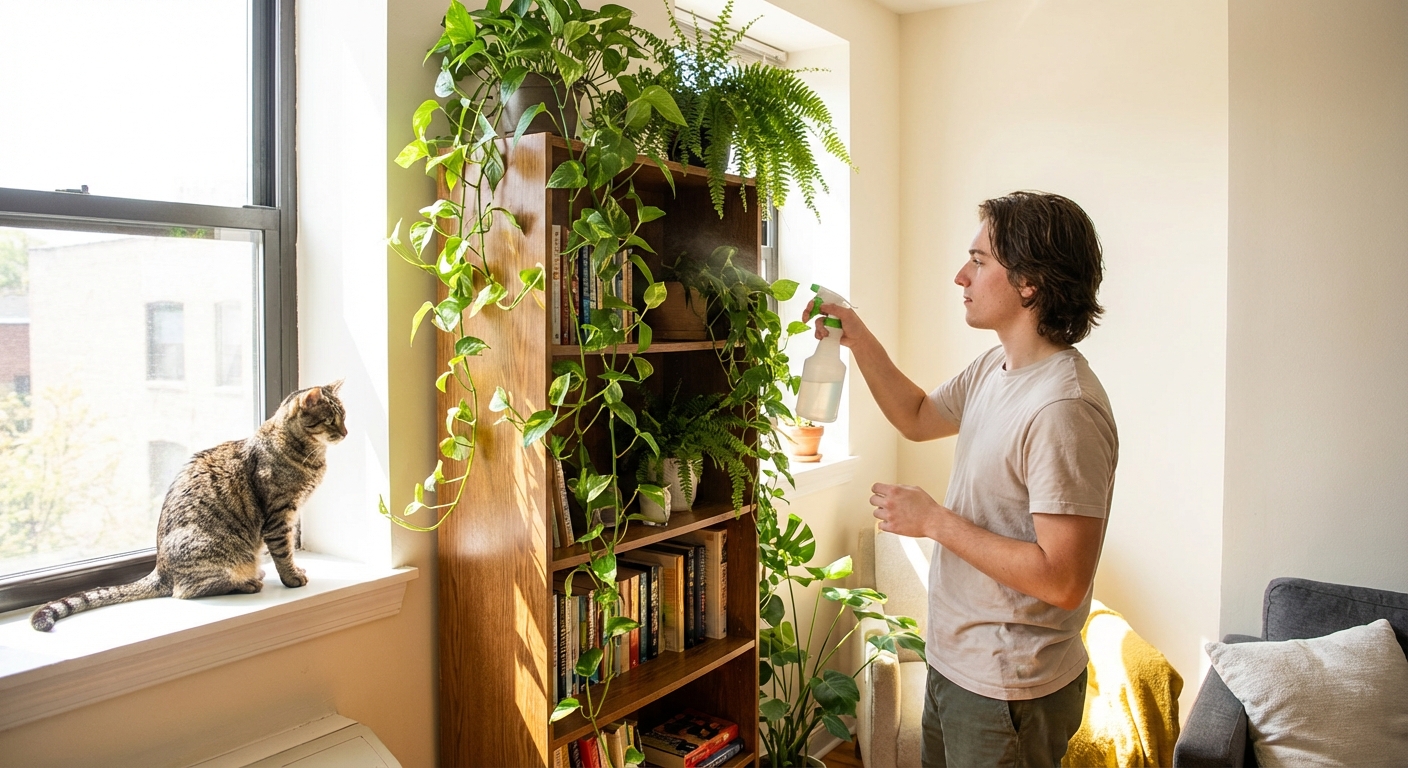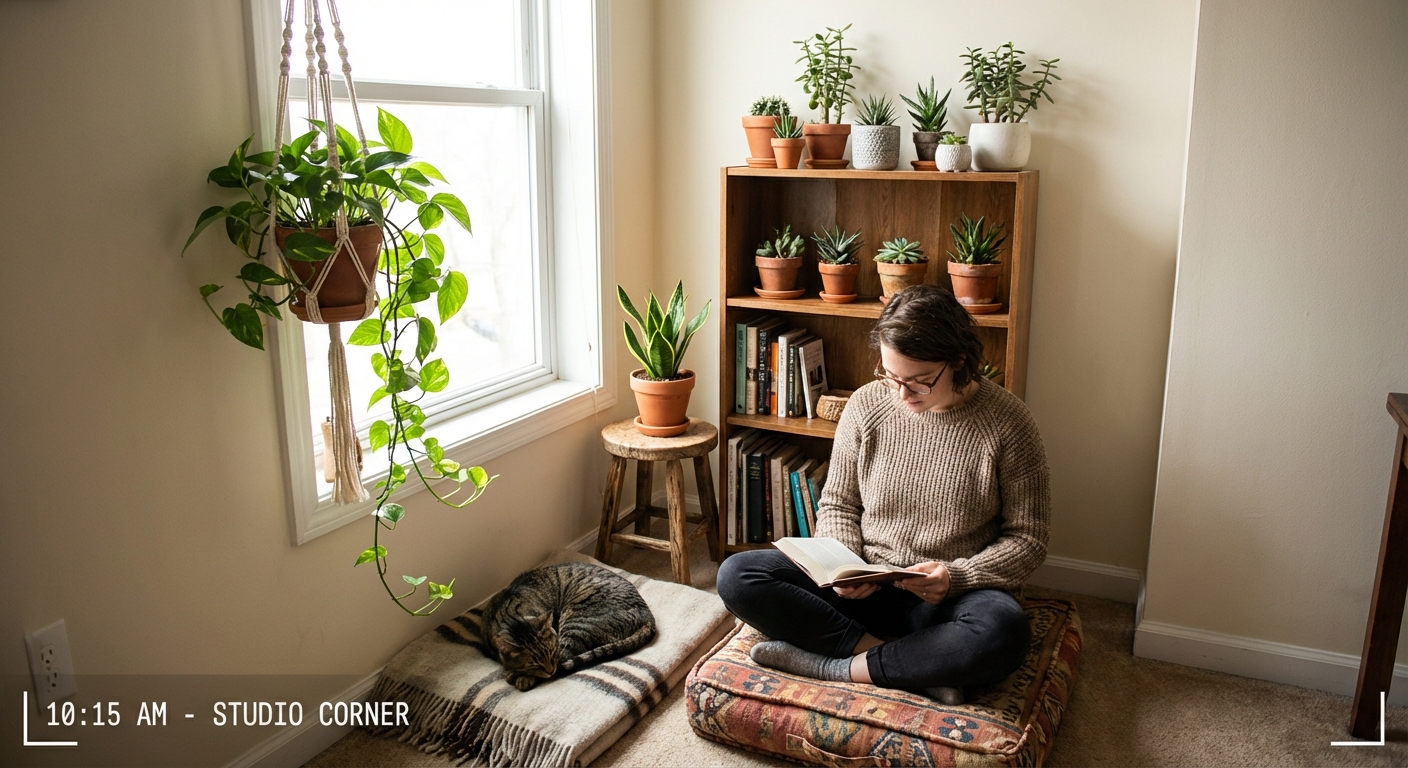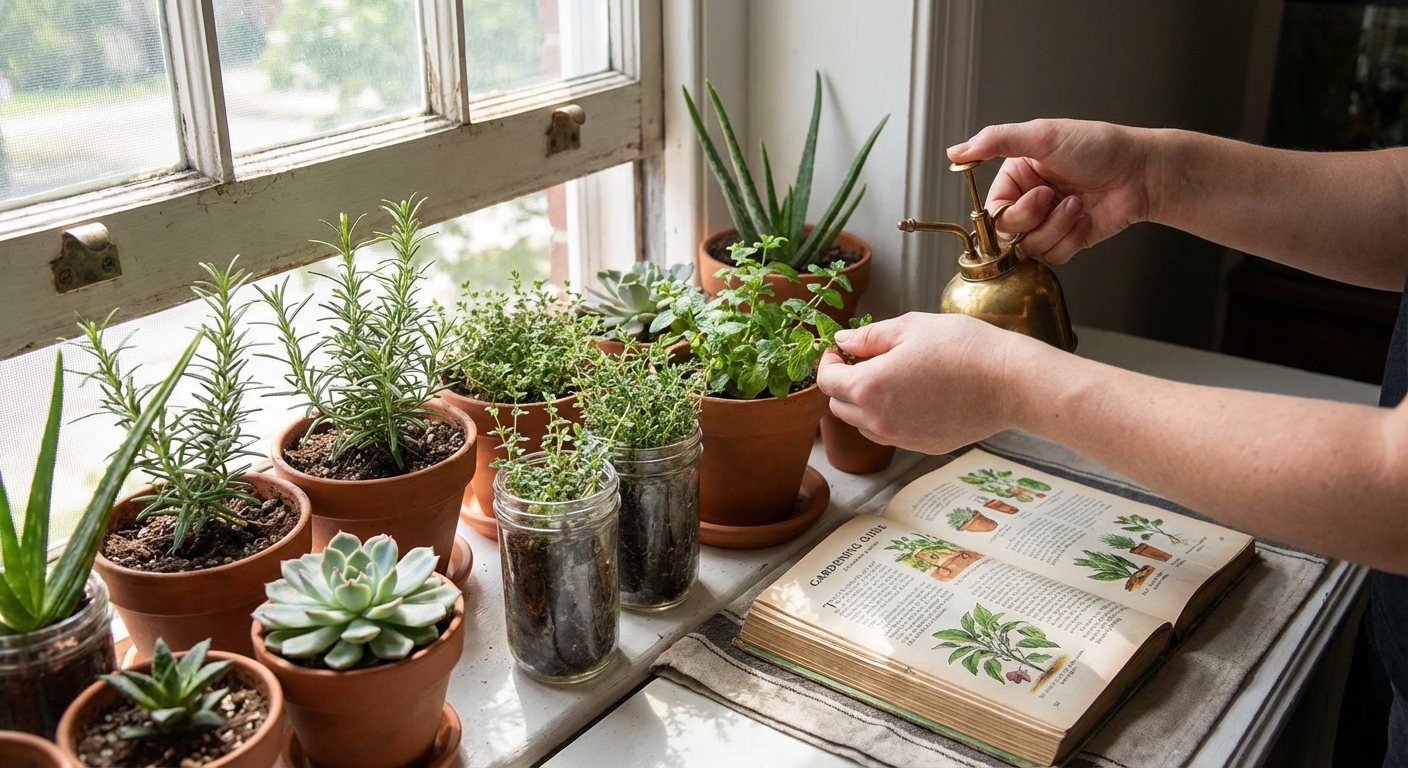
A small windowsill can become a complete garden—one you can care for in just a few peaceful minutes each week. With purposeful choices and gentle routines, you can create a micro garden that soothes without demanding constant attention.
The Power of a Single Windowsill
This guide walks you through designing a calm, self-contained windowsill sanctuary, with specific plant suggestions and quiet troubleshooting tips.
Step 1: Understand Your Windowsill’s Personality
Each window has its own microclimate.
Notice Throughout the Day
Spend one day paying attention to:
- Morning: Soft, cool light from east-facing windows.
- Midday: Stronger, sometimes harsh light from south- and west-facing windows.
- Evening: Gentle fading light; rooms may cool quickly.
Also consider:
- Is there a draft when it’s windy or cold?
- Is a heater or radiator directly underneath?
- Do curtains or blinds block light for part of the day?
Matching plants to this personality sets your garden up for ease.
Step 2: Choose a Theme to Stay Grounded
Themes help small gardens feel intentional rather than scattered.
Soothing Theme Ideas
Soft Foliage Oasis – Gentle greens and rounded leaves
- Baby rubber plant (Peperomia obtusifolia) - Heartleaf philodendron - Small peace lily (Spathiphyllum), if light allows
Sun-Kissed Succulent Ledge – Bright windows with limited space
- Haworthia - Jade plant (Crassula ovata) - String of pearls (Senecio rowleyanus) in bright, indirect light
Low-Light Leaf Collection – North-facing or shaded windows
- ZZ plant (Zamioculcas zamiifolia) in a small pot - Snake plant (compact variety) - Pothos, especially jade or golden types
Choose 3–5 plants that share similar light and water needs. This makes care calmer and more predictable.
Step 3: Species-Specific Notes for Windowsill Favorites
Baby Rubber Plant (Peperomia obtusifolia)
- Light: Bright, indirect; tolerates medium light.
- Water: Let the top half of the soil dry; leaves store some moisture.
- Tip: Use a small, well-draining pot; peperomias dislike sitting in wet soil.
Common mistake: Treating it like a thirsty, thin-leaved plant. If stems flop and leaves feel mushy, reduce watering and ensure good drainage.
Jade Plant (Crassula ovata)
- Light: Bright, direct sun for several hours is welcome.
- Water: Thoroughly when soil is fully dry; less in winter.
- Ideal spot: South- or west-facing sill.
Troubleshooting:
- Wrinkled leaves: Mild underwatering; water deeply.
- Soft, dropping leaves: Overwatering; let the plant dry and check for root rot.
Haworthia
- Light: Bright, indirect; gentle morning sun is ideal.
- Water: Infrequent; allow soil to dry completely between waterings.
- Space perk: Small, slow-growing rosettes stay compact for years.
Seasonal note: In winter, haworthia need very little water; once every 3–4 weeks is often enough.
Mini Peace Lily (Spathiphyllum)
- Light: Medium to bright, indirect; avoid hot direct sun.
- Water: Keep soil lightly moist but not soggy.
Gentle guide:
- Wilting is often its way of asking for water. Water, then allow excess to drain.
- Brown tips can signal dry air or accumulated salts; trim tips and flush soil with plain water occasionally.
Step 4: Arrange for Beauty and Balance
On a narrow sill, placement matters.
Basic Layout
- Tallest plants at the ends – Snake plant, jade, or peace lily can frame the view.
- Medium plants in the middle – Peperomia, haworthia, small philodendron.
- Trailing plants at edges – Pothos or string of hearts can gently spill over without blocking light.
Leave small gaps between pots to let light reach every leaf. Empty space is soothing to the eye.
Step 5: Seasonal Care for Windowsill Gardens
Spring
- Clean the glass: Dust and film reduce light; clean windows to support growth.
- Repot if needed: If roots circle tightly or push up from the soil, move up one pot size.
Summer
- Watch for sunburn: Brown, crisp patches may indicate too much direct midday sun.
- Add a sheer curtain or move plants back a few centimeters.
- Increase watering slightly: Warm air dries small pots faster.
Autumn
- Reduce fertilizer: Allow plants to gently slow down.
- Observe light shift: As the sun lowers, adjust positions for even light.
Winter
- Pull plants away from very cold glass at night to prevent chill damage.
- Water less: Most plants prefer longer drying periods during this rest phase.
Gentle Troubleshooting: Frequent Windowsill Issues
Leaves Pressed Against Cold Glass
- Issue: Cold damage, yellowing, or soft spots.
- Calm fix: Move pots 3–5 cm away from the window. Trim only fully damaged leaves.
Dry, Crumbly Soil
- Issue: Small pots in heated rooms dry quickly.
- Response: Water more thoroughly, but not necessarily more often. Ensure water reaches the full root zone, then let the plant rest.
Condensation and Mold
If your window collects condensation, soil may stay too wet.
- Use pots with good drainage.
- Choose plants that tolerate slightly moist conditions (like peace lilies) closest to the glass.
- Remove any surface mold gently with a spoon and let soil dry more before the next watering.
Creating a Gentle Ritual
A windowsill garden thrives with small, steady habits:
- Weekly: Dust leaves, check soil moisture, rotate pots a quarter turn.
- Monthly: Remove yellowed or damaged leaves, wipe the sill, and rinse saucers.
- Seasonally: Reassess plant positions and adjust care for changing light and temperatures.
Let your windowsill sanctuary reflect what you can comfortably care for. A few deeply tended plants can offer more peace than many that leave you feeling scattered. In a small space, each leaf matters—and each new leaf is a quiet celebration of the care you’re already giving.
Key Takeaway
The most important thing to remember from this article is that this information can change how you think about Small-Space Gardens.